March 25, 2026
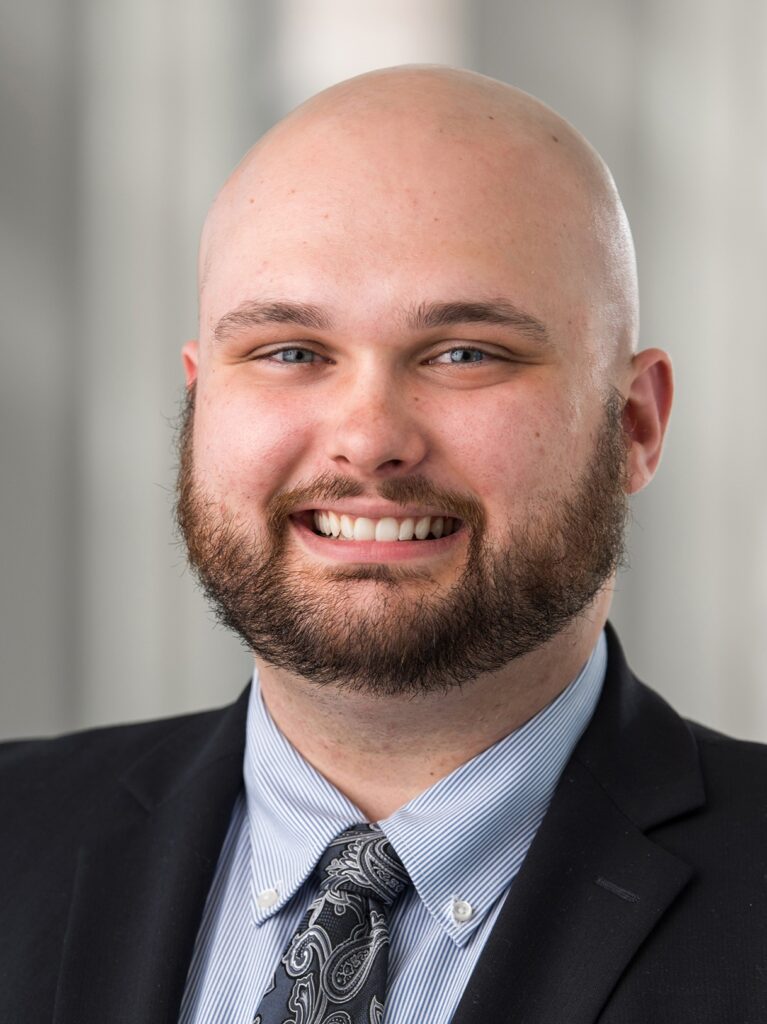
Grant Stimes, PharmD, MPA, BCPS, BCIDP, is clinical pharmacy specialist for antimicrobial stewardship and infectious diseases at Texas Children’s Hospital where he is also co-pharmacy director of antimicrobial stewardship and serves as the residency program director for Infectious Diseases Pharmacy Residency. He is also an assistant professor in the pediatric infectious diseases division through Baylor College of Medicine. Dr. Stimes completed his PharmD and Master of Public Administration at Drake University. He then completed his Postgraduate Year 1 pharmacy residency at the University of Iowa Hospitals and Clinics and his Postgraduate Year 2 infectious diseases residency through the University of Connecticut School of Pharmacy and Connecticut Children’s.
Dr. Stimes currently serves on the Education Committee and the planning committee for the International Pediatric Antimicrobial Stewardship Conference. He also served on last year’s FPIDS Task Force, which evaluated the process of applying for Fellow of the Pediatric Infectious Diseases Society.
Why pediatric ID? My infectious diseases experience in pharmacy school was presented as ‘memorize this chart, know this coverage, go out and do it.’ There wasn’t any hands-on problem solving. It wasn’t until my fourth-year rotations that I got to see a carbapenem-resistant Pseudomonas case that I experienced the problem solving aspect that was missing from my didactic learning. That’s what opened ID as a field to me.
It was my first year of pharmacy residency that opened up the pediatrics side, when I had more consistent experiences with pediatric patients. There’s a challenge to the management of infections in the pediatric population as we may not have the best data in how to go about addressing them, or we may be limited by the agents that can be used. It was an interesting realization into how important the pharmacist’s role is in working with the physicians to decide on an appropriate treatment plan to treat those infections in kids while also practicing stewardship.
Where have you taken your ID focus? I’m focusing more on gram-negative bacteria and antimicrobial stewardship. We know there’s growing resistance in these pathogens that we increasingly see in pediatric patients. Internally, we are looking at carbapenem-resistant Enterobacterales and carbapenem-resistant Pseudomonas aeruginosa infections at Texas Children’s Hospital. I feel there’s an emerging need for more literature to determine how to best treat these infections in pediatric settings.
What is a recent development in pediatric ID that you are working on? I was grateful to participate in creating the beta-lactam dosing guide to complement the adult AMR guidance document that was published in the Journal of the Pediatric Infectious Diseases Society last year. Our group has been great in recommending the dosing for patients at children’s hospitals or hospitals that see pediatric patients with those drug-resistant infections but the respective institution may not have an ID pharmacist on staff to confirm the appropriate dosing, which is an issue because we know that the drug’s package insert dosing may not always be appropriate for the infection being treated. I also recently participated in a multicenter trial on use of ceftazidime-avibactam in children that is awaiting publication.
I also want to highlight the wonderful ID residencies at children’s hospitals that have developed over the past few years. There’s one here at Texas Children’s Hospital, St. Jude Children’s Research Hospital/Le Bonheur Children’s Hospital has one, St. Louis Children’s Hospital has one, and the University of Kentucky, too. I think we’re realizing that pediatric patients are a special population and we need to be training pediatric ID pharmacists. The work these programs are doing to train the next generation is fantastic. This has been a true change over the past five to ten years. If there are any pharmacy colleagues who have learners interested in pediatric ID, please encourage them to look at those programs.
What do you enjoy most about being a PIDS member? What keeps you renewing your membership? On the pharmacy ID side, we have a couple of spaces like the Society of Infectious Diseases Pharmacists (SIDP), Pediatric Pharmacy Association (PPA), American College of Clinical Pharmacy (ACCP), but it’s PIDS where we have the whole network of pediatric ID – physicians, nurse practitioners, physician associates, pharmacists – sharing a home where we all have the same passion, know the same situations. PIDS provides specialized networking with colleagues in my field. I keep coming back because the people that I’ve met and continue to meet. When you get the right people together, you can feel the passion and return from meetings or calls reinvigorated to keep going.
It was also a pleasure to serve on the FPIDS Task Force and rewarding to see the criteria change to help our pharmacists achieve that recognition. It can be tougher in many other societies to have your work recognized as a Fellow. ID pharmacist burn out is at a high. Getting an FPIDS recognition as early as five years is enough, I feel, to keep folks going.

Improving the health of children worldwide through philanthropic support of scientific and educational programs.